


Hearing that you need a dental filling can sometimes feel overwhelming, especially if it’s been a while since your last dental visit. The good news is that modern dentistry has made the procedure comfortable, predictable, and minimally invasive.
Understanding what happens before, during, and after your appointment can help you feel more confident and know what to expect as your tooth heals.
Why Do I Need a Filling?
A dental filling is used to restore a tooth that has been damaged by decay, a small fracture, or wear. The goal is to remove the damaged portion of the tooth while preserving as much healthy tooth structure as possible.
Modern dentistry focuses on minimally invasive treatment, meaning we only remove the diseased tooth structure and preserve healthy enamel and dentine whenever possible.
Before Your Filling: A Thorough Assessment
Every filling should begin with a comprehensive examination.
Your dentist will carefully assess the tooth using:
- A clinical examination
- Dental radiographs (X-rays), when clinically indicated
- Intraoral photographs
- Bite assessment
- Evaluation of the surrounding gums and neighbouring teeth
Why Are Dental X-rays Important?
Dental radiographs allow your dentist to see areas that cannot be examined with the naked eye.
They help determine:
- The depth of the cavity
- Whether the decay is close to the nerve
- If there is decay between the teeth
- The condition of previous fillings
- The health of the surrounding bone and tissues
Not every filling requires the same type of radiograph, but imaging is often an essential part of accurate diagnosis and treatment planning.
Why Do We Take Clinical Photographs?
Many modern dental practices routinely take intraoral photographs before treatment.
These photographs help:
- Document the tooth before treatment
- Explain the diagnosis clearly
- Monitor changes over time
- Record the final result after treatment
- Improve communication with patients
Photographs become part of your clinical record and provide an excellent visual reference for both you and your dental team.
During the Procedure
Local Anaesthetic
If the cavity is deep or expected to cause discomfort, your dentist may numb the area with a local anaesthetic. You may feel a brief pinch, followed by numbness of the tooth and surrounding tissues.
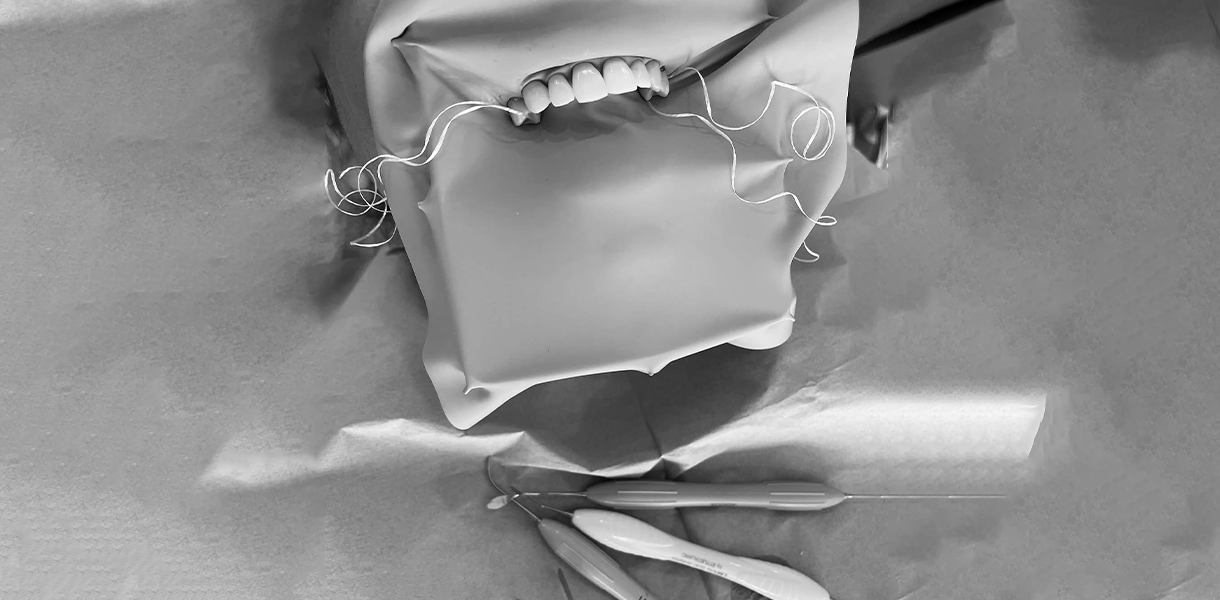
Isolation of the Tooth
Keeping the tooth dry is essential for the success of modern adhesive fillings.
Depending on the situation, your dentist may use:
- Cotton rolls
- High-volume suction
- Isolation devices such as a rubber dam
A dry working field allows the filling material to bond securely to the tooth.
Removing the Decay
Using specialised instruments, your dentist carefully removes the decayed portion of the tooth while preserving healthy tooth structure.
If the cavity is deep, protective materials may sometimes be placed near the nerve to help protect the pulp.
Placing the Filling
Most modern fillings are made from tooth-coloured composite resin.
The filling is placed in small layers, with each layer hardened using a special curing light. This technique helps reduce shrinkage and improves the strength and longevity of the restoration.
Once complete, your dentist carefully shapes and polishes the filling to restore the tooth’s natural anatomy.
Checking Your Bite
Before you leave, you’ll be asked to bite on a coloured marking paper.
This allows your dentist to check that the filling is not too high. Even a tiny discrepancy can make the tooth feel uncomfortable when chewing.
Small adjustments can usually be made immediately.
Should Photos Be Taken After the Filling?
Whenever appropriate, post-operative photographs may be taken to document the final restoration.
These images demonstrate:
- The final contour
- The colour match
- The anatomy of the restoration
- Completion of treatment
They also become part of your long-term dental record.
What Should I Expect Afterwards?
As the anaesthetic wears off, it is completely normal to notice some mild symptoms.
These may include:
- Mild tenderness around the injection site
- Slight sensitivity to cold
- Temporary awareness when biting
- Mild gum tenderness around the treated tooth
These symptoms usually improve over several days and may continue to settle over the next few weeks, particularly if the cavity was deep.
What Is Normal After a Filling?
Many patients experience temporary “post-operative sensitivity.”
This is a well-recognised response as the tooth adjusts following treatment.
It is considered normal if the sensitivity:
- Occurs with cold drinks or cold air
- Lasts only a few seconds after the stimulus is removed
- Gradually improves over days or weeks
- Does not interfere significantly with eating
Deep fillings may take longer to settle than shallow ones.
When Should You Contact Your Dentist?
Although complications are uncommon, you should contact your dental practice if you experience:
- Pain that wakes you from sleep
- Spontaneous throbbing pain without stimulation
- Pain that continues for several minutes after hot or cold foods
- Swelling of the gums or face
- A filling that feels loose or has fractured
- Persistent pain when biting that does not improve after a bite adjustment
- Symptoms that continue to worsen instead of improving
These symptoms may indicate that the tooth requires further evaluation.
Will I Need a Follow-Up Appointment?
Many routine fillings do not require a scheduled review if everything feels comfortable.
However, your dentist may recommend a follow-up appointment if:
- The cavity was deep.
- The tooth was close to the nerve.
- You continue to experience sensitivity.
- A bite adjustment may be required.
- The dentist wishes to monitor healing.
Never hesitate to contact your dental practice if you have concerns after treatment. Early assessment often allows small issues to be resolved quickly.
Looking After Your New Filling
To help your restoration last as long as possible:
- Brush twice daily with fluoride toothpaste.
- Clean between your teeth every day using floss or interdental brushes.
- Limit frequent sugary snacks and drinks.
- Attend regular dental examinations and professional cleanings.
- Wear a night guard if you clench or grind your teeth.
- Report any changes in your bite or symptoms promptly.
With good oral hygiene and regular dental care, modern composite fillings can provide many years of reliable service.
A Partnership in Your Oral Health
A successful filling is more than simply repairing a cavity. It begins with an accurate diagnosis, careful treatment planning, high-quality clinical documentation, and clear communication about what to expect during recovery.
At our practice, we believe every patient deserves to understand their treatment and feel confident throughout the process. By combining modern technology, minimally invasive techniques, and personalised care, we aim to restore not only your tooth—but also your comfort, function, and long-term oral health.
If you think you may have a cavity or have noticed sensitivity, don’t wait until the discomfort becomes severe. Early treatment is often simpler, more conservative, and more comfortable.
Book your dental examination today and let us help you protect your smile with gentle, evidence-based care.
